Is It Okay to Do Nothing on a Dive Vacation?
Ask any diver what they imagine their ideal dive vacation to be, and you'll likely hear tales of vibrant reefs, close encounters with majestic marine life, or thrilling drift dives. But what if the real magic doesn't just happen underwater? What if the moments spent doing nothing—truly embracing downtime—are just as vital? Especially if you're a diver who has toggled between the bustling agendas of remote island resorts and the intentionally pared-back rhythms of multi-day liveaboards, the question arises: Is it really okay to do nothing on a dive vacation?
Downtime Matters: The Underappreciated Surface Interval
Let’s start with an easily overlooked aspect: surface intervals. These chunks of time between dives are often underestimated by new divers or those caught up in overpacked itineraries. But as someone who has kept a mental checklist of podcasts downloaded and ebooks loaded on tablets for these specific moments, I can confidently say that surface intervals are not just "waiting time" — they’re an integral part of the dive experience.
Relaxation and Recovery
Physiologically, your body needs this breather. Diving taxes your lungs and muscles, and your nervous system subtly unwinds with each surface rest. This is part of what makes recovery travel so important; it’s not just about racking up the number of dives but honoring the pace your body demands.
On liveaboards, especially, these intervals often feel meditative. With fewer distractions and no driving, the hull gently rocking beneath you, it’s the closest thing to a floating calm retreat. Your phone or tablet, set to airplane mode but loaded with offline content, becomes a companion for gentle entertainment—a podcast episode on marine conservation, a dive guide refresher, or a new ebook you can’t put down.
Social Bonding and Quiet Moments
Surface intervals are also prime time for social mingling or reflective solitude. On island resorts, divers often gather around communal tables or shaded loungers, comparing notes on that elusive critter spotted at 18 meters or debating who got the better shot of a grouper. I’ve seen groups bond deeply over a shared can of local soda, using those idle minutes to build friendships that outlast the vacation.
Alternatively, some divers cherish that silent moment, gazing at the horizon or writing in their dive journals. Both approaches underline a central truth: doing “nothing” often means doing exactly what you need to recharge.
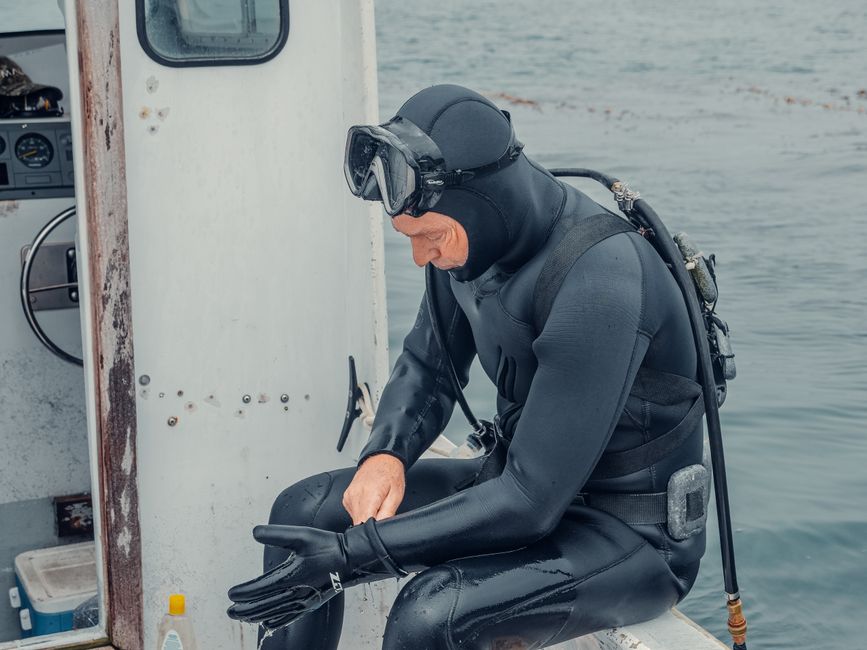
Liveaboard Routines: The Appeal of Limited Options
Having experienced the stripped-back lifestyle of liveaboards, I appreciate how the setting naturally encourages downtime. Unlike island resorts tempting you with endless shore excursions, spas, and scheduled dinners, liveaboards present a simpler canvas. Diving, eating, chatting, and sleeping form the rhythmic beats of a very focused, intentional vacation.
The Beauty of Simplicity
Expectations on liveaboards lean towards the marine realm, with free time syncopated between dives. This minimalism means there are fewer distractions and commitments pulling you away from crucial rest or social interactions. The absence of reliable WiFi, which might vex some, is a blessing in disguise—many divers learn the art of offline-first entertainment, relying on pre-downloaded podcasts and books to fill quiet hours in the salon or on deck.
Evenings are gentle affairs: gear rinsed and stowed (a ritual that feels strangely satisfying after each dive day), a hot meal served under starlight, and shared stories that grow richer with each retell. The pace slows, and suddenly doing “nothing” feels like the whole point.
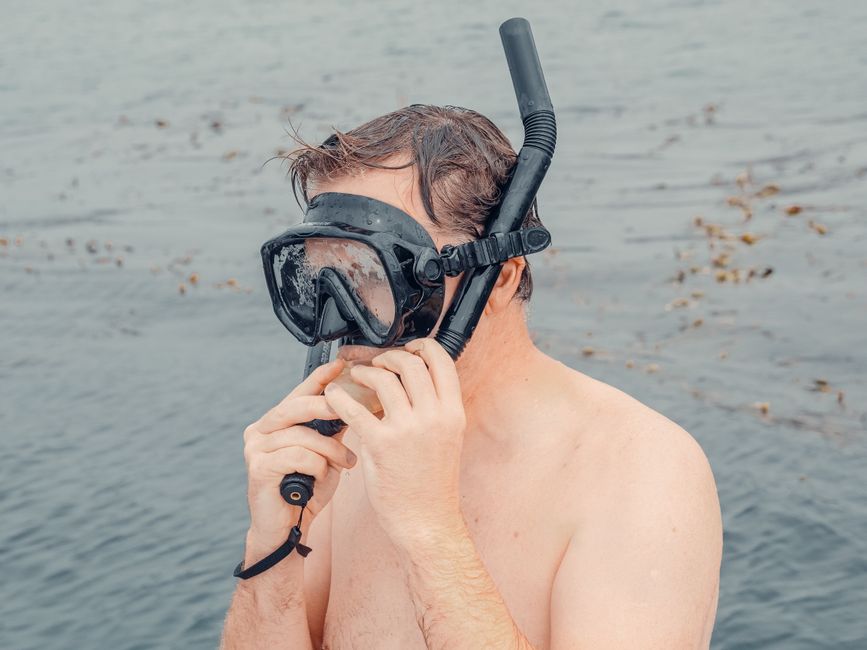
The Mental Shift
There is a mental shift here too, related to expectations. When your options are limited by design, pressure to fill every waking moment evaporates. It becomes normal—admirable even—to pause, to relax deeply, and to simply enjoy quiet.
Post-Dive Evenings: The Shift in Pace
The post-dive period is another underdiscussed highlight of diving holidays. Whether on a resort or liveaboard, the transition from active immersion to restful evening creates its own rhythm. I always note how evenings feel almost "healed" after rinsing gear—the task is grounding, tactile, and signals the official winding down of the day.
From Adrenaline to Calm
Evenings after diving shift your body and mind from active exploration to calm restoration. This is the perfect time to embrace the quiet—letting the soothing sounds of the ocean or jungle nearby fill your senses. Often, these are the moments I pull out my tablet or flip open my phone (well, after checking offline maps or messages, since I never trust WiFi to work offshore) to catch up on leisurely reading or dive forums.
Hostel-style night schedules, evening shows, or crowded bars might appeal to some, but for many divers, especially those prioritizing recovery, the evening “slow down” is a balm. It’s a chance to review dive photos, journal impressions, or simply sit back and watch the night sky’s slow dance of stars.
Avoid Overpacked Itineraries
One pet peeve I’ve developed over time is the best nitrox tips for fatigue tendency of some dive operators or travel planners to cram every hour with activities. Every evening turned into a “must-do” event erodes this precious downtime. quiet evenings on a boat The best dive vacations, in my experience, deliberately carve out chunks of time to do “nothing”—not as a default but as an intentional act of self-care.
Offline-First Digital Entertainment Planning
In this hyper-connected world, it’s tempting to assume WiFi will be a reliable crutch on dive trips. But from remote islands to ocean-bound liveaboards, signals are often patchy or non-existent. This is where smart preparation shines.
Pre-Download Mental Checklist
Each trip, I mentally run through my pre-download checklist:
- Podcasts covering marine life, diving stories, or conservation efforts
- Ebooks, both dive guides and leisure fiction to wind down
- Offline maps for island navigation or town walks
- Downloaded playlists or audiobooks for mellow moments
This approach ensures that whether you’re nestled in a hammock during a surface interval or relaxing post-dive in your cabin, you have meaningful, low-tech options that don’t rely on spotty WiFi.
Enhancing the Experience
By embracing offline-first digital entertainment, you actually heighten the quality of your downtime. Instead of mindlessly scrolling through social media, you get to enjoy curated content that complements your travel vibe and dive energy levels. It’s another way to enrich downtime and honor recovery travel principles.
Conclusion: Embrace the Art of Doing Nothing
So, is it okay to do nothing on a dive vacation? More than okay—it’s essential. Whether you’re soaking up the tranquil surface intervals, sinking into liveaboard routines, savoring post-dive evenings free from jam-packed agendas, or preparing a thoughtful offline digital entertainment arsenal, downtime matters. Recovery travel isn’t just a buzzword; it’s the key to diving deeper, smiling wider, and returning home feeling renewed.
Next time you plan a dive trip, remember: sometimes the best dive is the one you spend doing nothing at all, simply enjoying quiet and the rhythm of the sea.